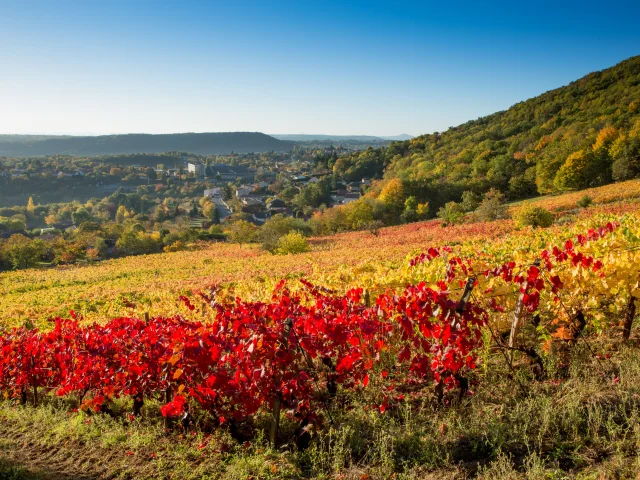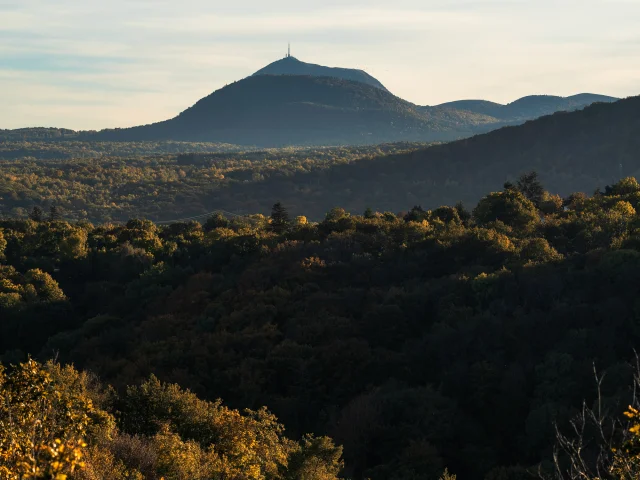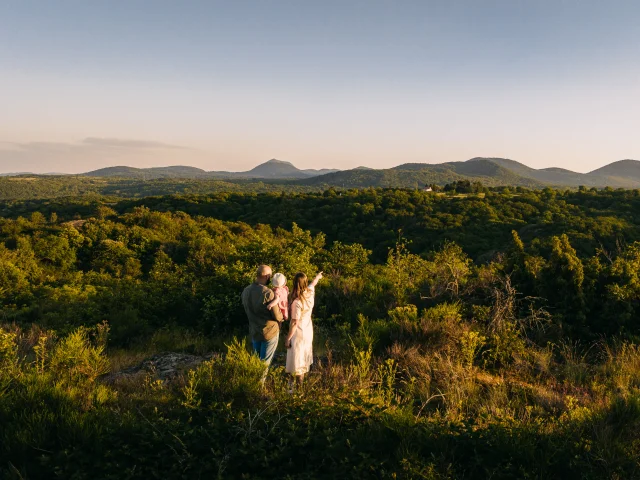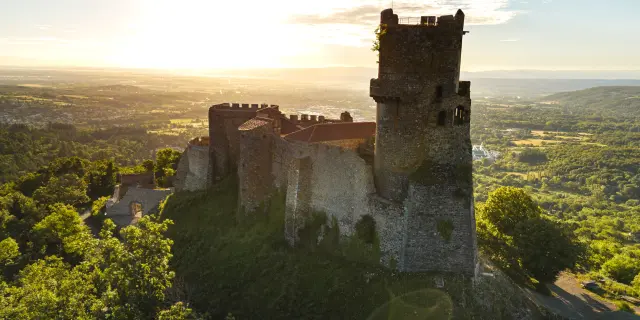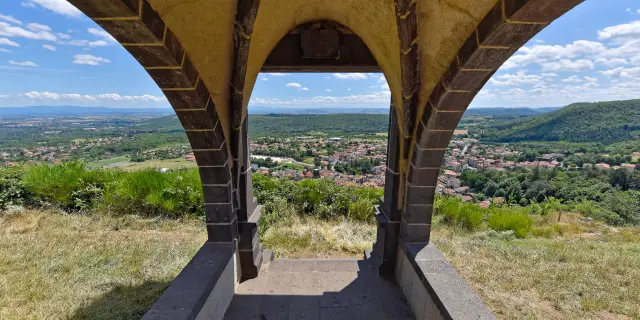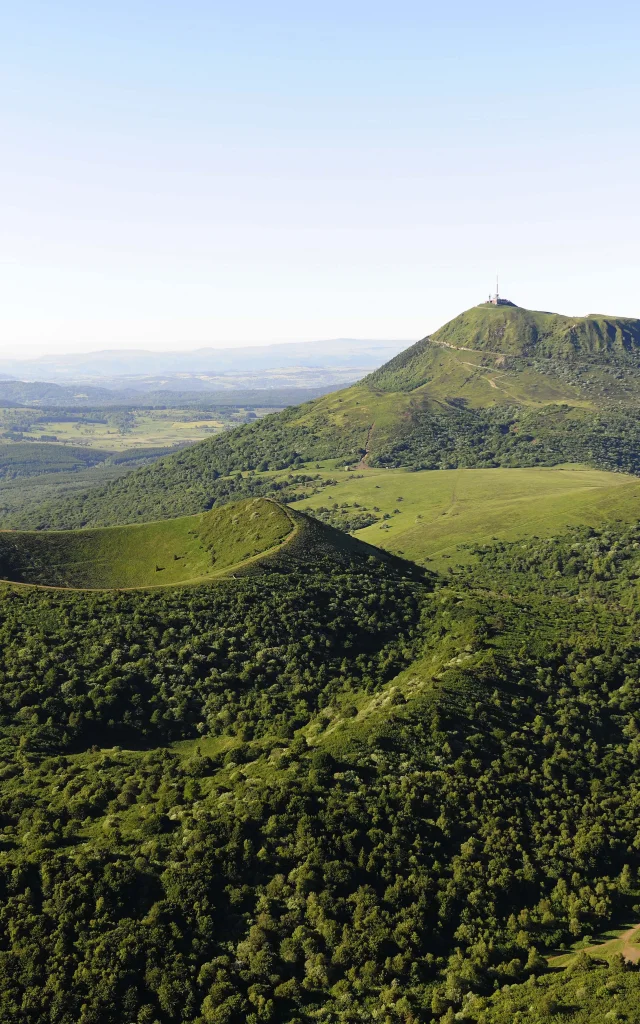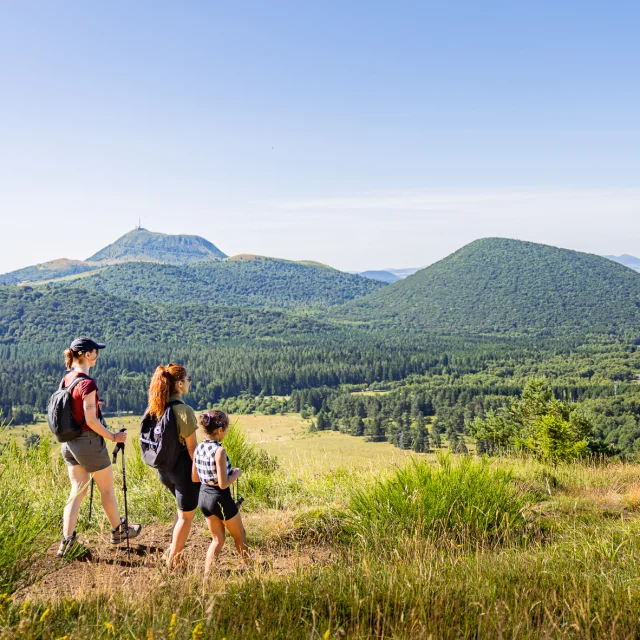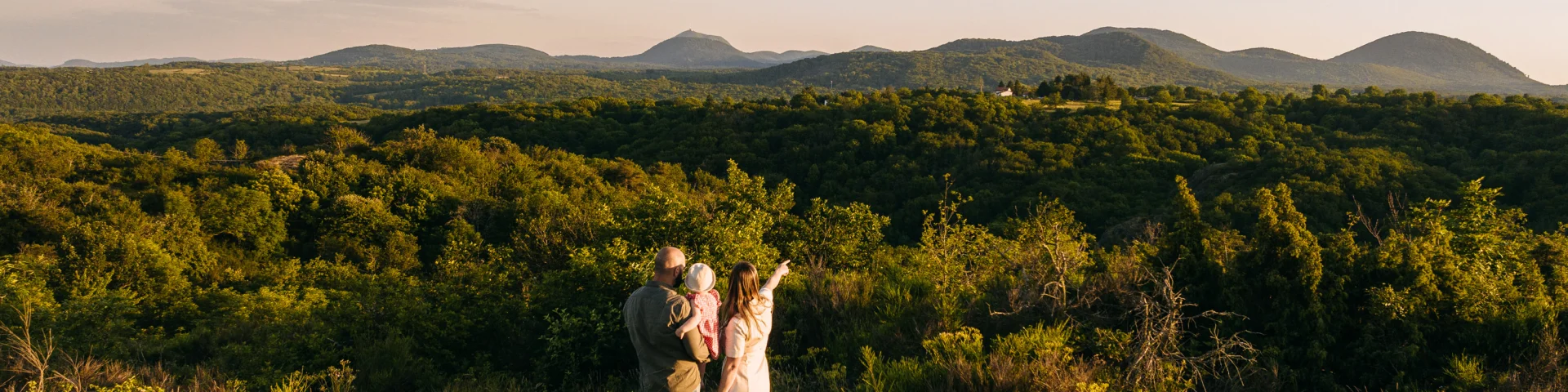
Sentier de l'impluvium Vue sur les volcans de la Chaîne des puys depuis le sentier de l'impluvium de Volvic à Viallard
©Florian Bompan
Volvic natural mineral water and its stone
Not to be missed

Volvic, heritage and natural mineral water

 Volvic, a rich natural heritage

35 million years ago, the Volvic granite base fractured under the pressure of the Alps and the Pyrenees. The force of nature created no fewer than 80 volcanic edifices, giving rise to the Chaîne des Puys, a UNESCO World Heritage Site. It is here, in the heart of the unspoilt nature of the Parc Naturel Régional des Volcans d’Auvergne, that Volvic stone is quarried and its water springs.

It was Jean Legay-Chevalier, one of the largest miners of Volvic stone, who discovered Volvic water in 1889. At the time, the town’s inhabitants were often faced with a lack of drinking water and its poor quality. So, driven by his intuition and knowledge of geology, Legay-Chevalier undertook, at his own expense, drilling work in the Vallée du Goulet.Discover its history at the Grotte de la Pierre, a visitor centre in Volvic.
 From the Volvic spring to bottling

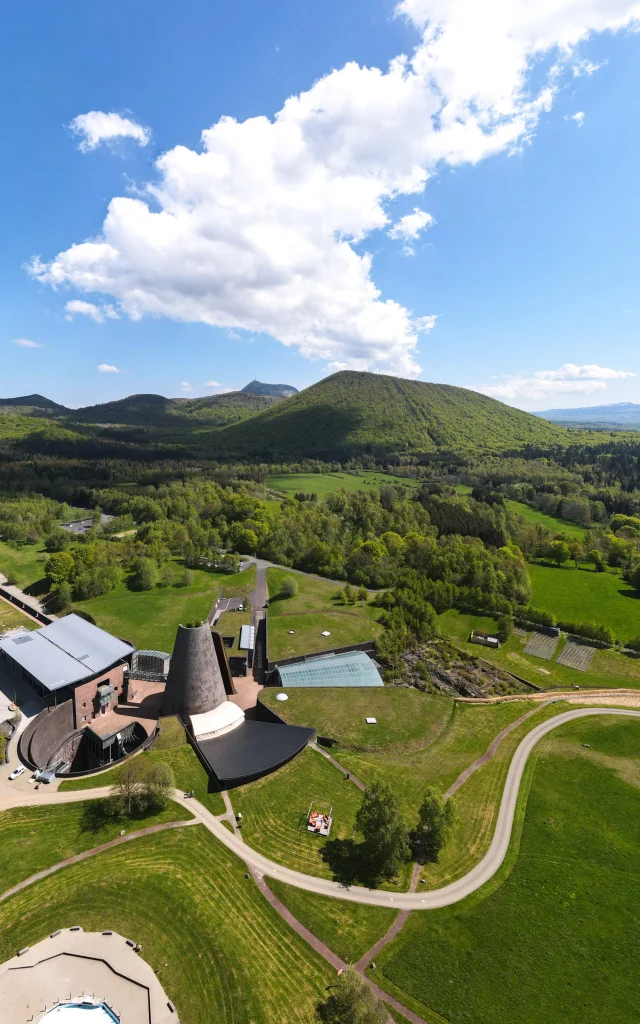
Would you like to discover the secrets ofVolvic natural mineral water? Would you like to go back in time and discover its journey through the depths of our volcanic soil, from spring to bottle? Then come and visit the Volvic Spring Park and Volvic O’rigines.

Immerse yourself in the fascinating world of this world-famous natural mineral water.
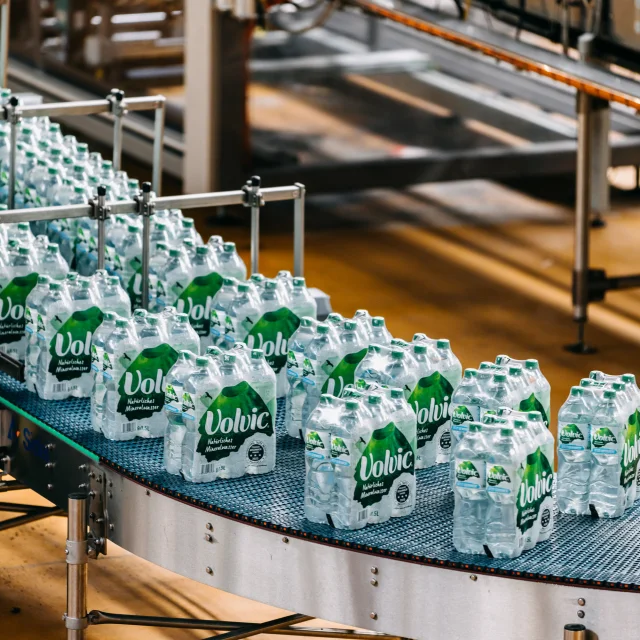
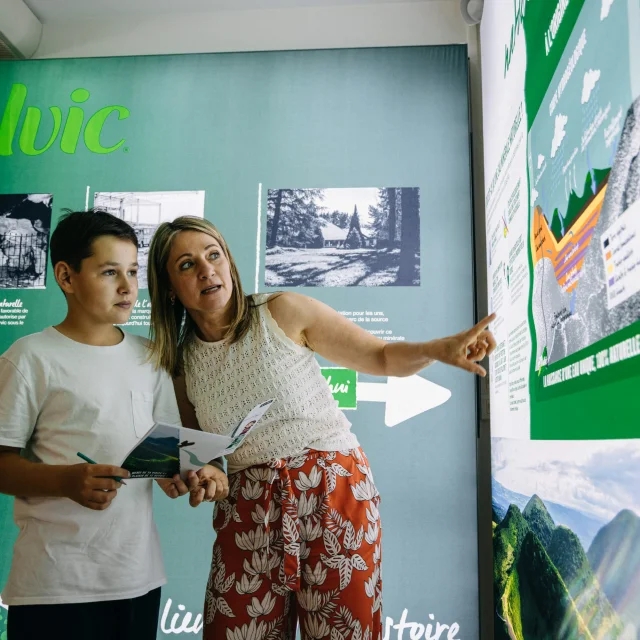
On site, visit the permanent exhibition and explore the Volvic bottling plant on a virtual reality tour.
As an added treat, sample Volvic products (Volvic natural mineral water, Volvic Juicy, Volvic Zest and Volvic Thé).
You’ll gain a better understanding of the secrets and benefits that this exceptional region hides beneath our feet.

Tip: with the Terra Volcana Pass, your entry fee is included.

Why not visit the factory?
Discover the know-how of the bottling plant: visit every Monday from February to December (except on certain maintenance days and public holidays – check their calendar to make sure they’re open). Booking essential.

How do I get there?

Volvic O'rigines
Rue des Sources, 63530 Volvic

Spoken languages

Spoken languages
  • English

 An impluvium to collect rainwater?

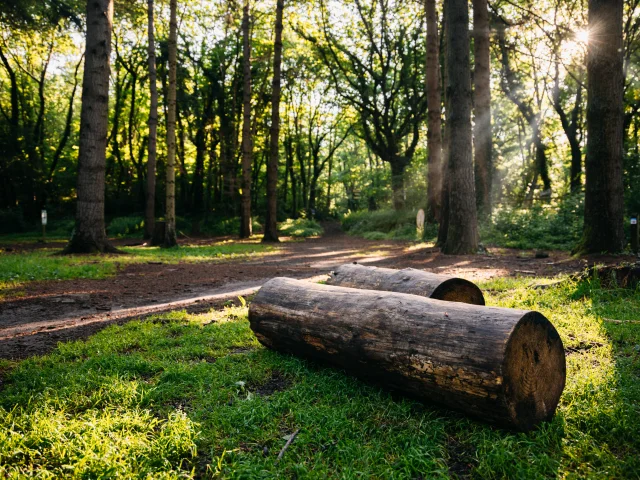
Take the opportunity to explore theVolvic impluvium, a 38km² protected area and the birthplace of Volvic natural mineral water. Come and follow one of the 4 hiking trails, including ” Le sentier de l’Impluvium “: 8km to find out all about this exceptional natural area! Or work up a sweat on the 12 commented and illustrated stages of the fitness trail.

Located in the heart of the Parc Naturel Régional des Volcans d’Auvergne, the Impluvium is a 38km² protected area. What is the destiny of this ecosystem? To collect rainwater and snowmelt! In fact, this body of water flows through a succession of layers of volcanic rock and is enriched by the many minerals it contains, giving rise to Volvic natural mineral water.

Did you know?

Volvic natural mineral water comes from the Clairvic spring, which has been awarded the natural mineral water label. It was in 1963 that the Clairvic spring was discovered under almost 100 metres of volcanic rock. In 1965, after two years of clinical studies, the Ministry of Health – after receiving the favourable opinion of the Academy of Medicine – authorised by decree the use of the Clairvic spring under the “natural mineral water” label.
The first bottles produced from the Clairvic spring and bottled under this label left the Goulet factory in 1966. It operated until the mid-2000s, when production was entirely centralised at the Le Chancet plant.

 Volvic stone, its history and art

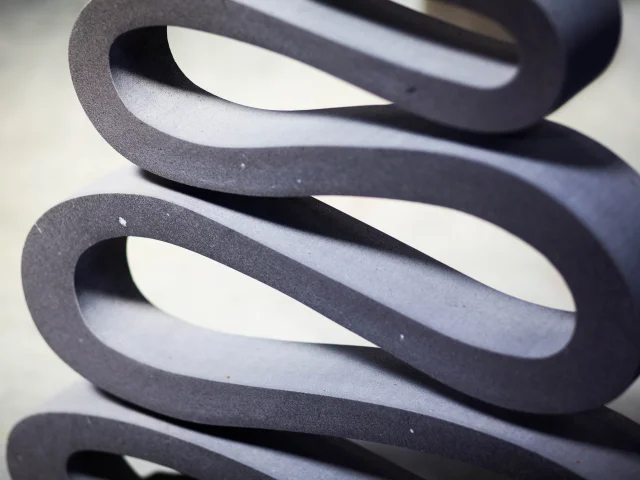
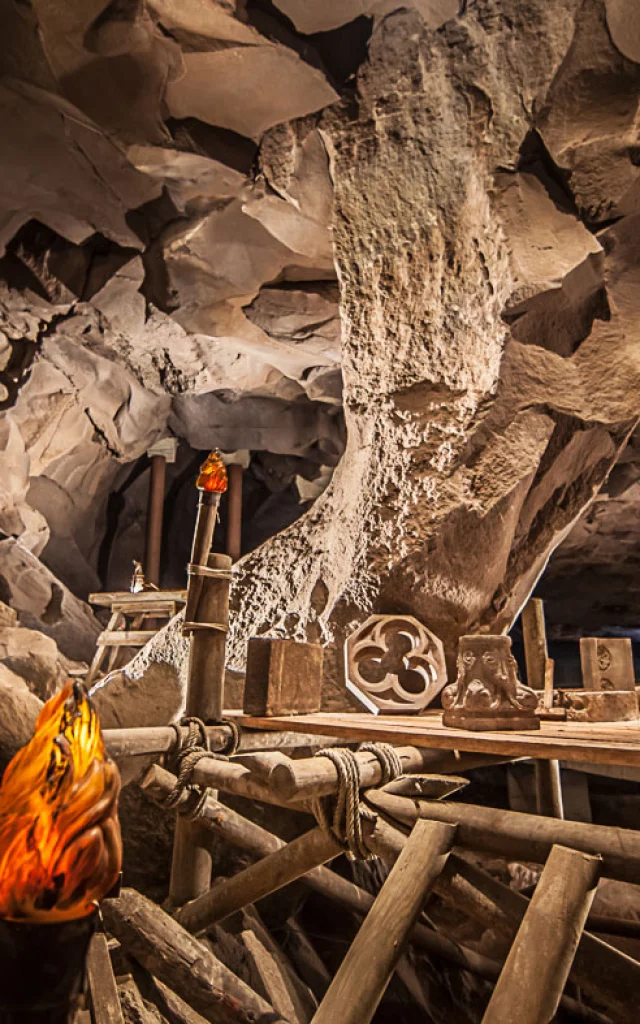
Easily identified by its colour, which can range from light grey to black, trachyandesite has ideal properties forlava sculpture andenamelling.It was then quarried in underground galleries, which have now become hibernation sites for bats, and then in the open air from the 19th century onwards.

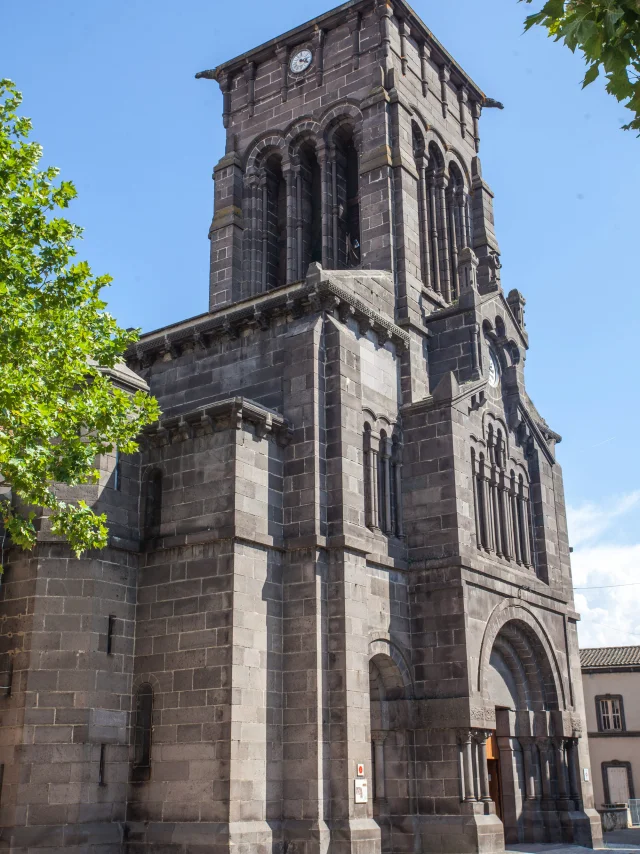
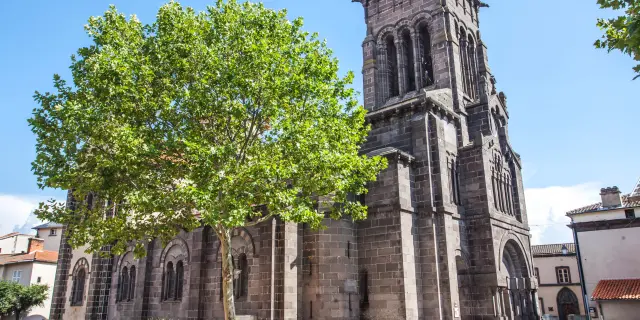
Volvic stone enjoyed a boom in the 13th century, when it was used to build cathedrals (the most famous of which is in Clermont-Ferrand), castles, churches, fountains and so on, until it became an integral part of Auvergne architecture.

Quarried since the 13th century, Volvic stoneis volcanic in origin. It comes from the lava flows of Puy de la Nugère, an 11,000-year-old volcano located near Volvic.
But why this particular volcano? Well, because of its complexity, since this unique volcanic edifice has undergone many successive explosions. It was by observing its flows that the geologist Jean-Etienne Guettard, in 1751, understood the volcanic nature of the Chaîne des Puys, then considered to be just a series of hills.

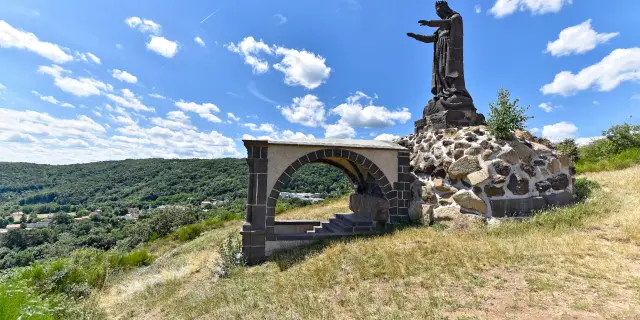
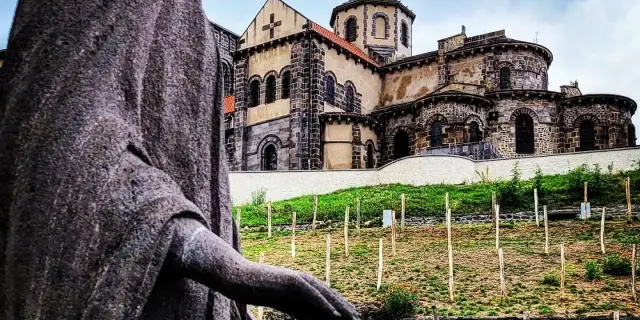
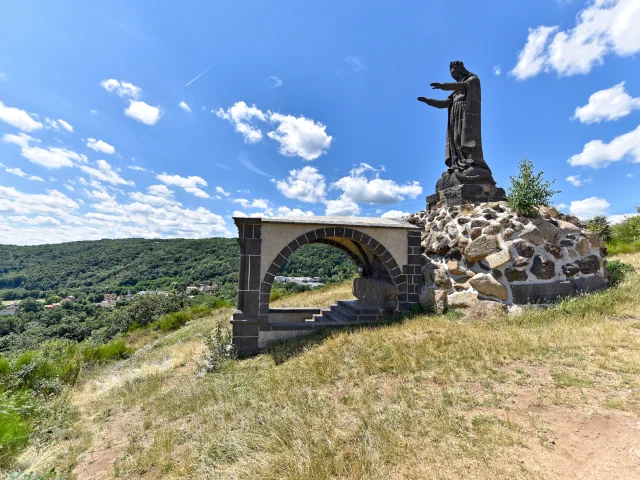
You can admire its specific features and splendour on the monumental statue of Notre-Dame de la Garde overlooking Volvic.

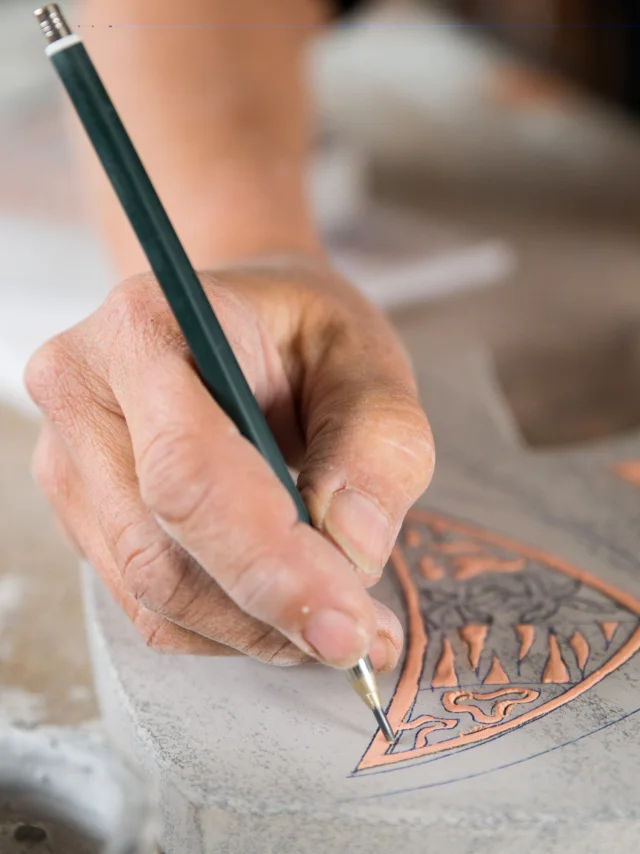
 Discover our Volvic stone cutters and sculptors

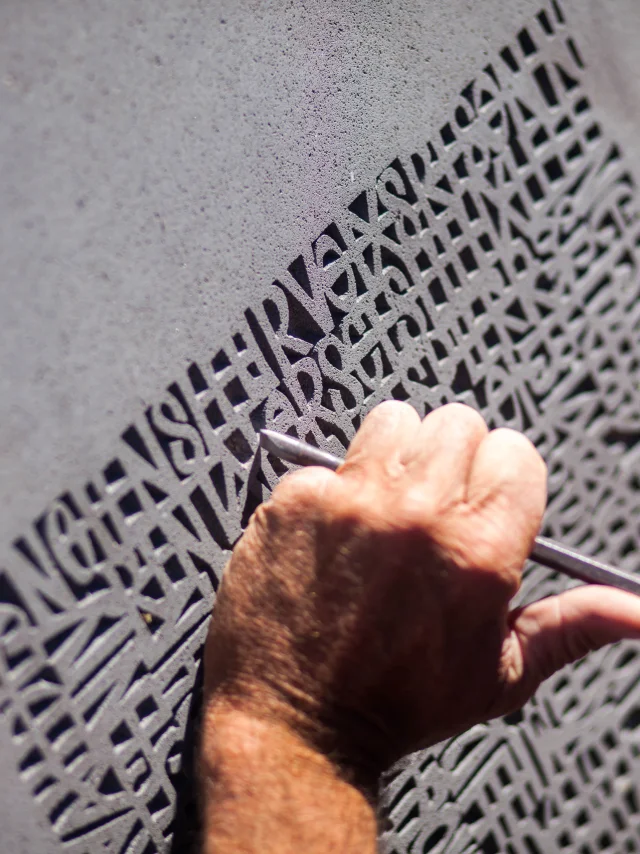
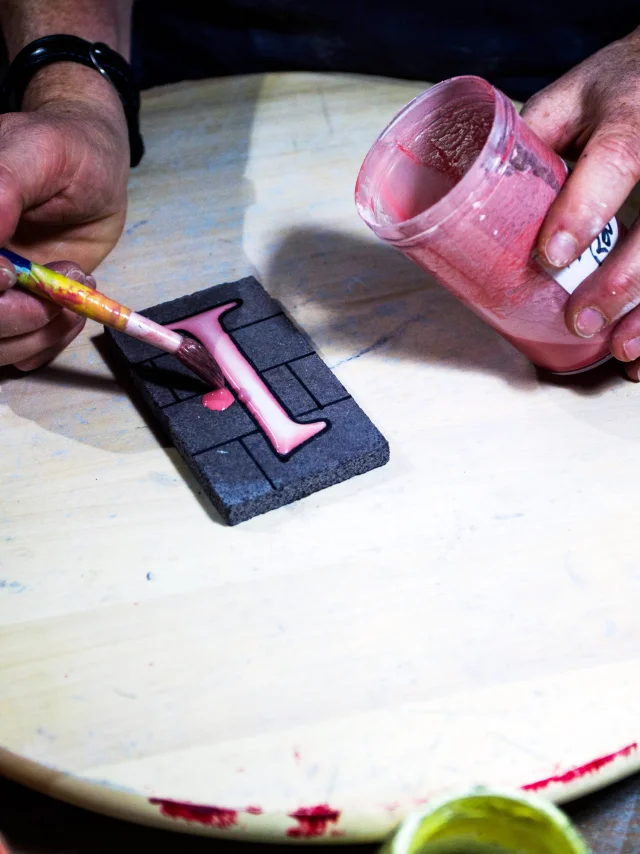
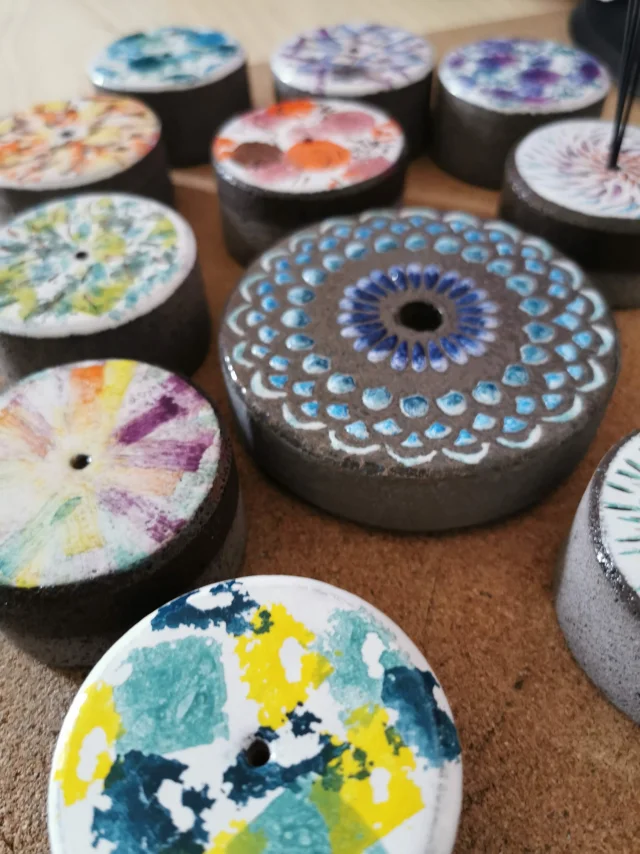
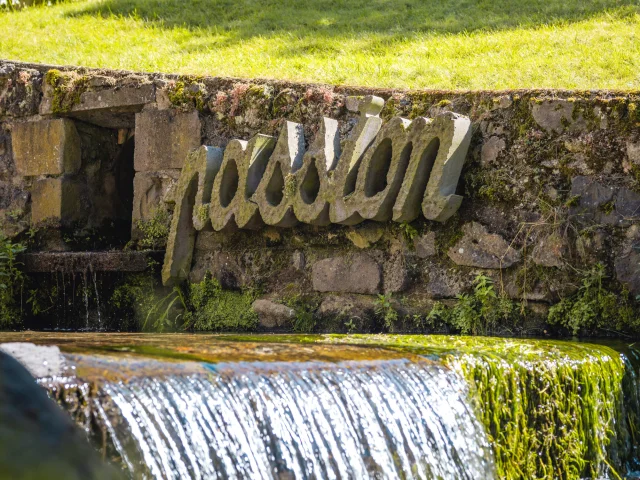
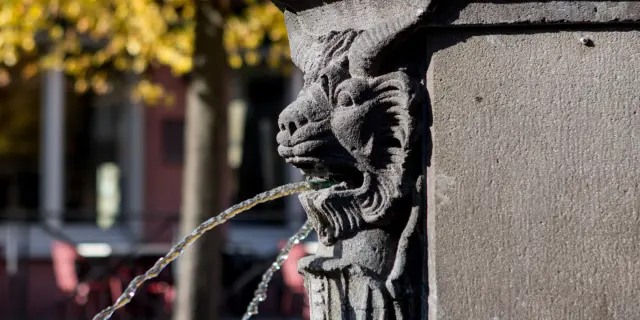
Here, it was the sculptors and stone carvers who adopted it, giving it its letters of nobility in the courtyards of the Hôtel Guymoneau in Riom or on the many fountains in Volvic. There, it was the lava enamellers who tamed it, taking advantage of its resistance to high temperatures.

This artistic technique requires heating to an average temperature of 960°C.
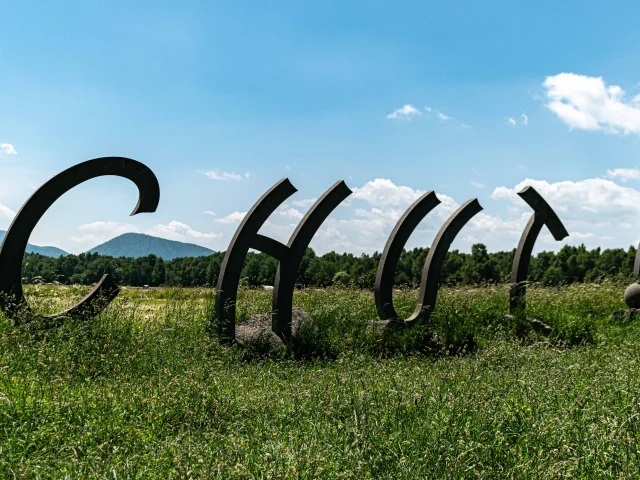
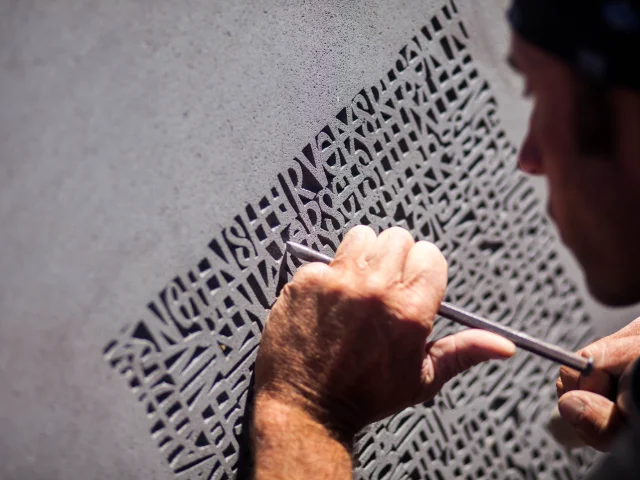
Push open the doors of our craftsmen’s studios to find out more, and you’ll find enthusiasts with a “Volcanic attitude”, as Thierry Courtadon puts it, one of those who have best tamed this exceptional material.
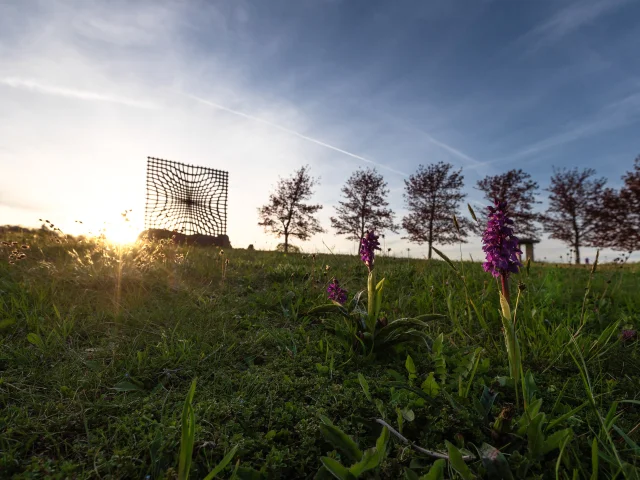
The proof is in the form of his permanent Land’art exhibition, “Conjuguer la nature”, which you can admire around Volvic.

 Are you an art lover?

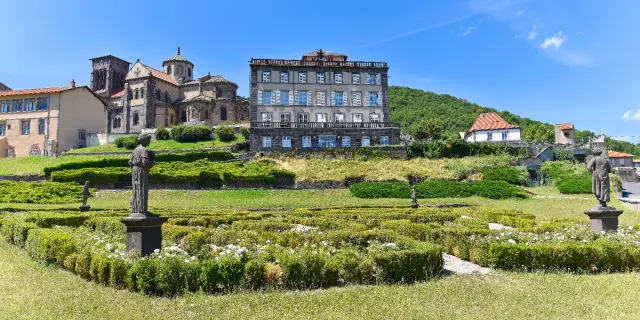
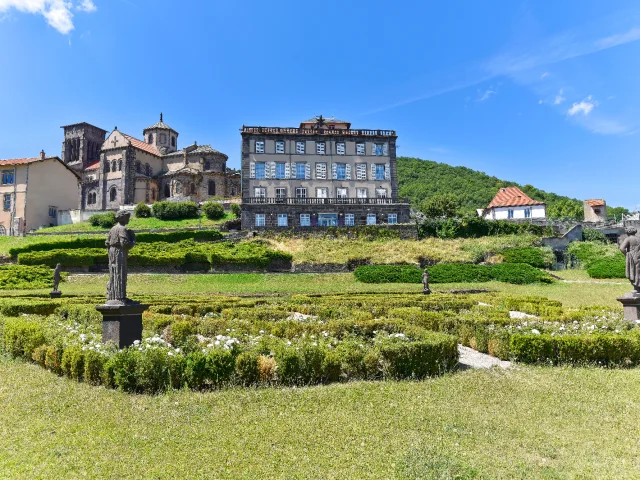
Take advantage of your visit to Volvic to discover the Marcel Sahut Museum, housed in an 18th-century building modelled on neoclassical Italian villas by Rion architect Attiret de Mannevil. Since 2022, the museum has had a new section devoted to the arts of stone, and more specifically to the technique of enamelling on lava.

Focus  Volvic in pictures