Riom, a historic town
Riom is a town whose origins date back to Gallo-Roman times, but which developed mainly in the Middle Ages around its religious centre (notably around Saint-Amable) and its role as capital of the Auvergne.
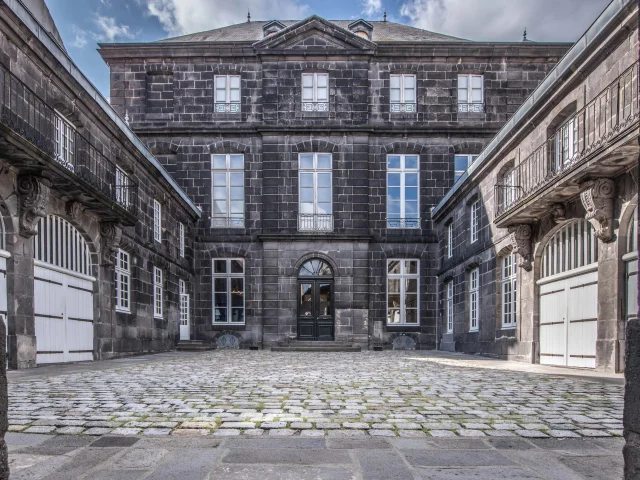
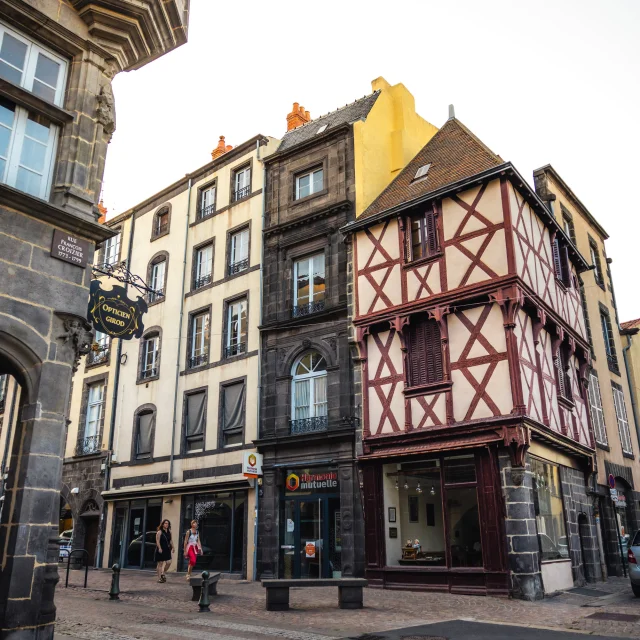
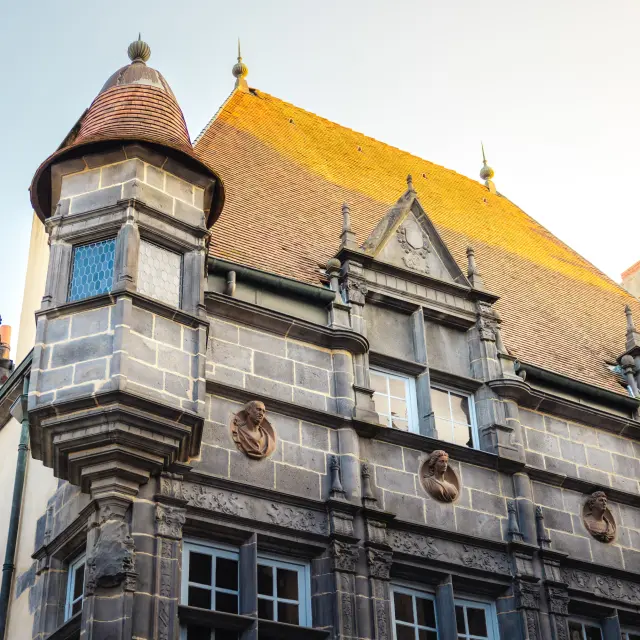
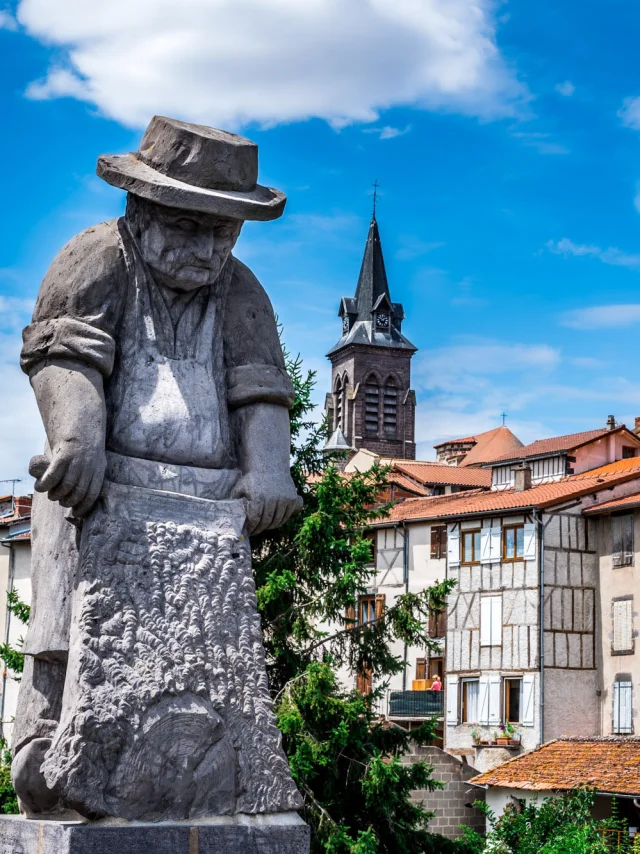
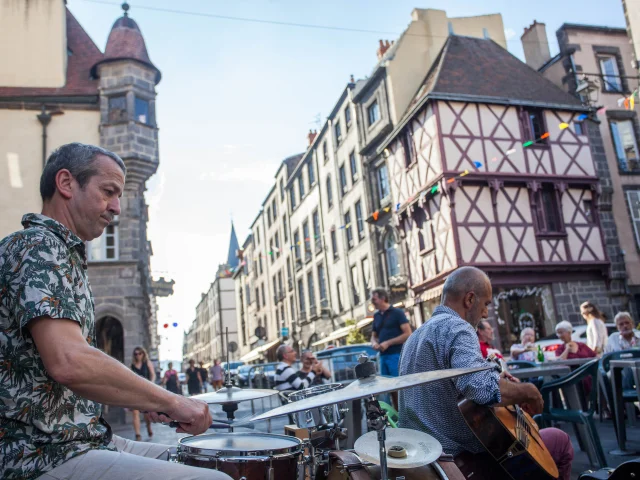
Thanks to the extensive use of Volvic stone, its homogeneous buildings, Renaissance town houses and classical facades from the XVII-XVIIIᵉ centuries, Riom offers a rare visual coherence, between its medieval streets, its squares and the gently undulating relief around it.
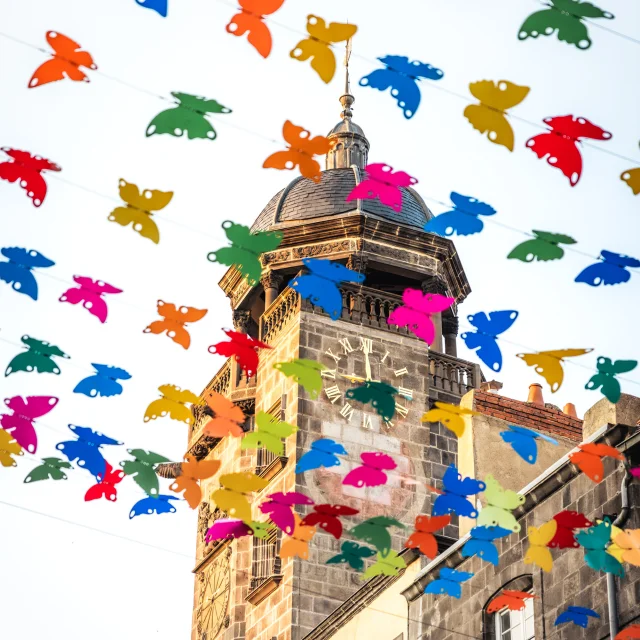
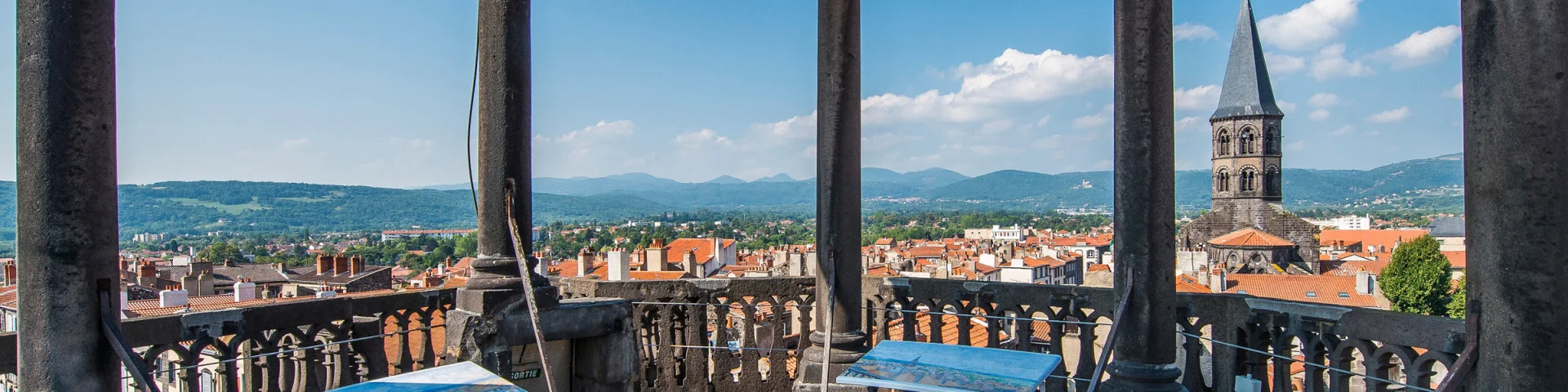
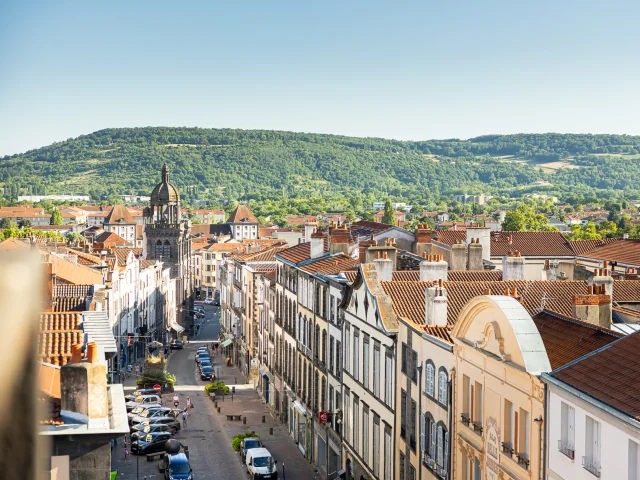
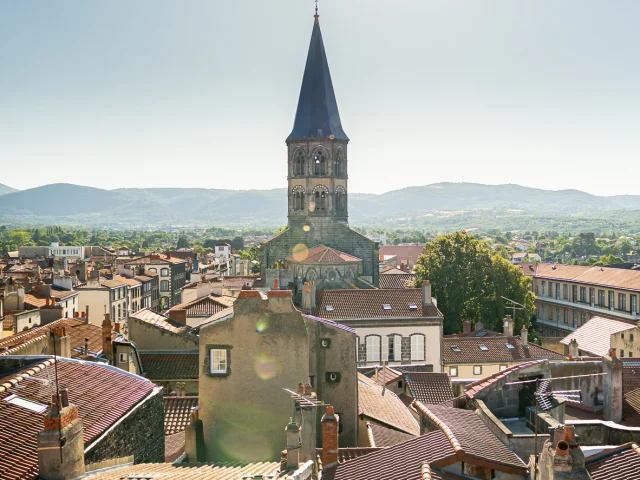
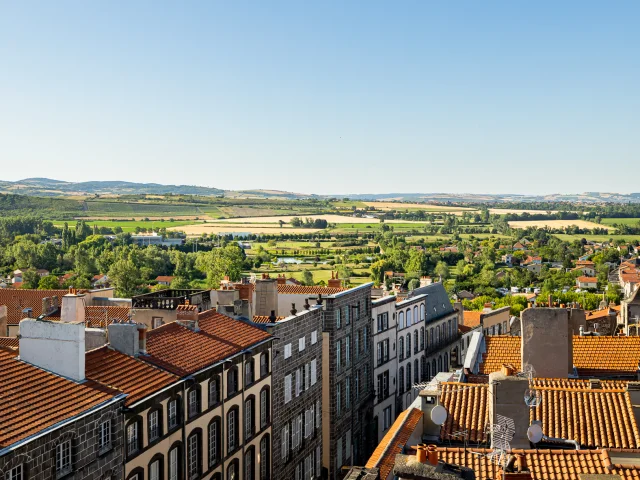
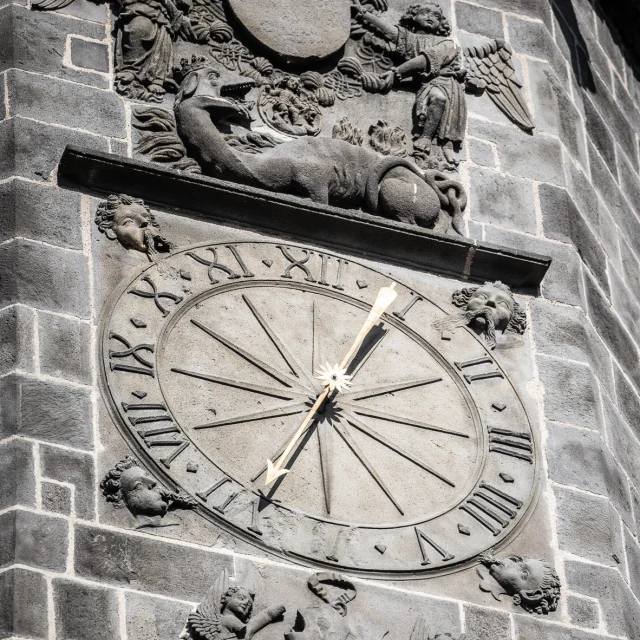
Home to the Pays d’art et d’histoire, the town of Riom can be seen from the top of the Tour de l’Horloge. Before setting off on a guided tour, it’s a good idea to climb the 128 steps of the ancient belfry. From here, you can overlook the roofs of the city and the Auvergne volcanoes in the distance.
As the former capital of the duchies of Auvergne, Riom’s historic centre is laid out at your feet, with its Renaissance houses and town houses, fountains and remarkable facades all along its quadrangular streets.
Monuments and landmarks
- The Sainte-Chapelle in Riom
Built between 1395 and 1403 by Hugues Foucher for Jean de Berry, it is the only vestige of the magnificent ducal palace built at the end of the XIVᵉ century.
Its architecture is a refined example of flamboyant Gothic with large, luminous bays, slender vaults, extensive arcatures, and above all it houses a relic of the True Cross, giving it the title of “Sainte-Chapelle“. The stained glass windows were restored between 2014 and 2017, and the building has undergone various hazards: transformations, secondary uses, partial destructions, but also major restorations (notably in the XIXᵉ century) to restore it to its original majesty. - The Clock Tower and the historic centre
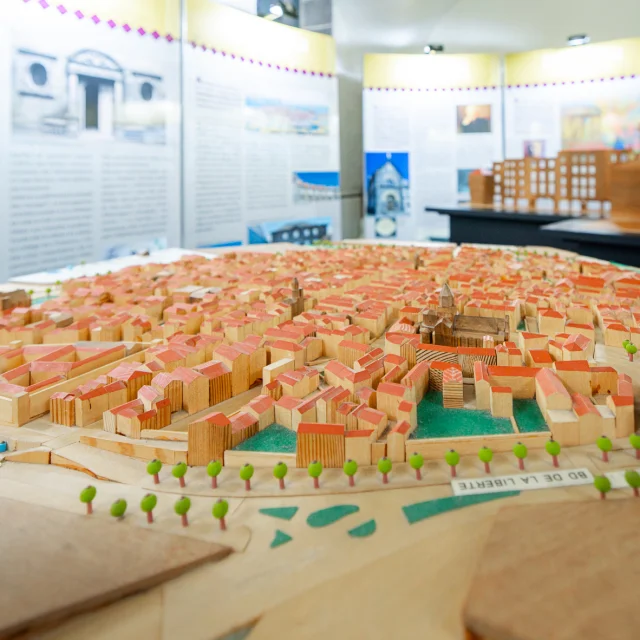
The Tour de l’Horloge (former belfry) is a focal point of the old centre, a belvedere offering a view of the town. It is often included in heritage tours along with the Sainte-Chapelle. The historic centre (intra-muros) covers around 29 hectares; here you can see successively the medieval layout, the Renaissance alterations and those of the XVIIIᵉ and XIXᵉ centuries. Planted boulevards replaced the ramparts demolished in the XVIIIᵉ century, opening up the city to the outside world.

Museums, art and local memory in Riom
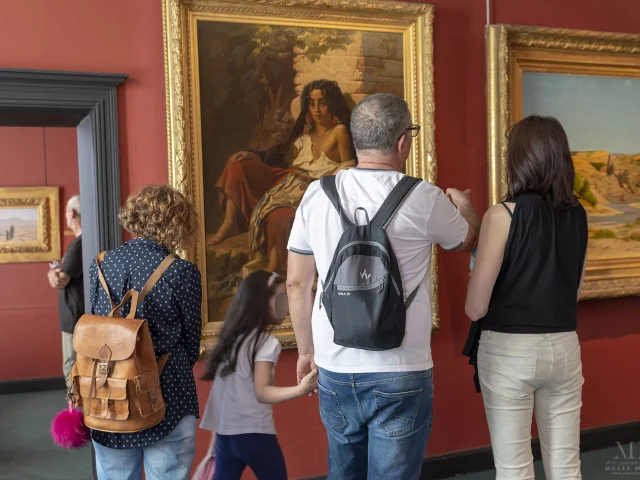
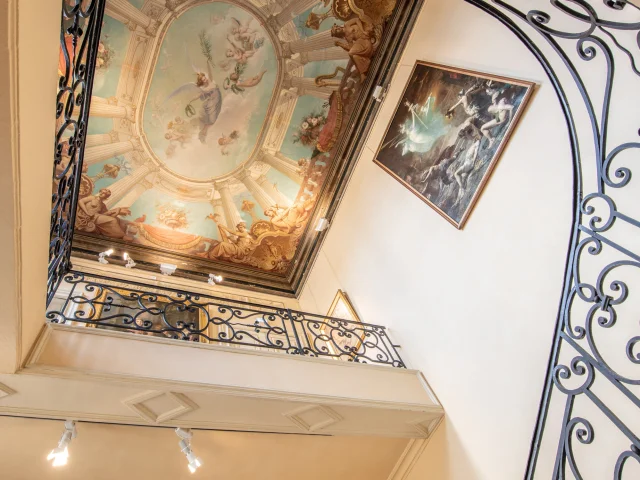
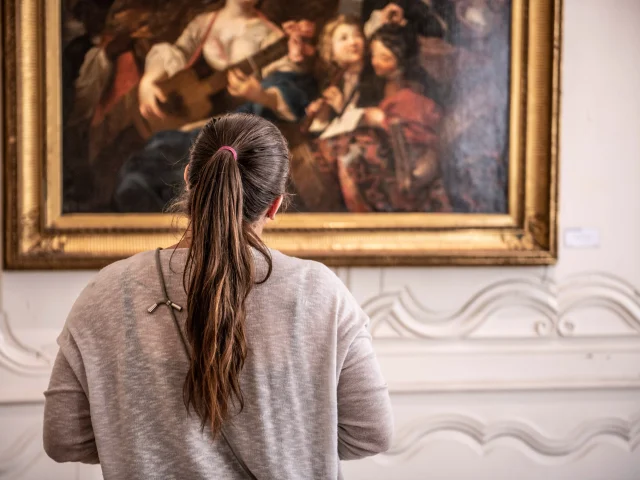
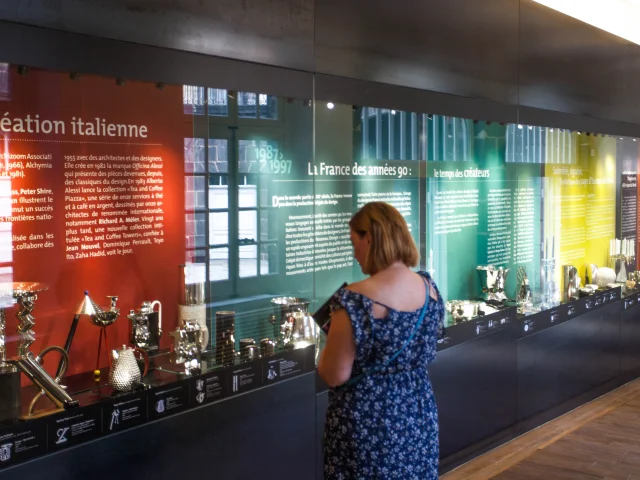
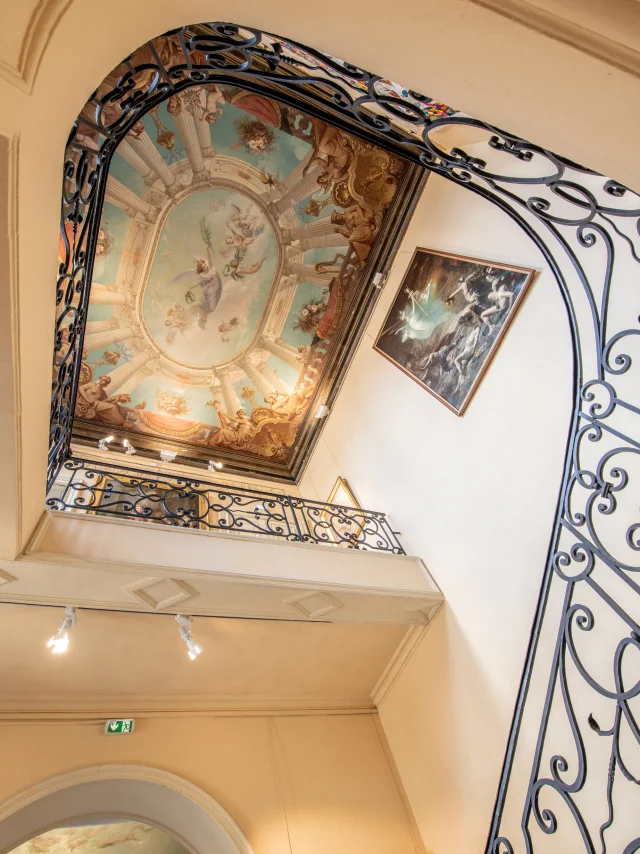
- Musée Mandet: founded in 1866, housed in two former XVIIIᵉ century mansions, it brings together around 14-15,000 works. The permanent collections cover the fine arts, decorative arts and design, from Antiquity to the 21st century.
- Musée régional d’Auvergne: located next to the Musée Mandet, it presents the region’s rural and popular heritage from the XIXᵉ century: costumes, furniture, tools, local traditions, popular religious furniture, etc.
- Jardin de la Cour d’appel: this garden, located in the heart of the old centre, surrounds the Sainte-Chapelle. It is open to the public, offers a peaceful setting, and allows visitors to observe the monument in its environment, with its paths, ponds and the statue of Michel de l’Hospital.
- Archives municipales / Pôle Archives et Patrimoine: Riom holds some important historical documents, including a letter from Joan of Arc (a circular sent to the towns of Auvergne), the only one of its kind held by a town in the region.